 Travellingvisio.com
What to See in Amsterdam: 18 Tips
 Netherlands
- Vondelpark
- Stedelijk Museum
- Van Gogh Museum
- Moco Museum
- Rijksmuseum (National Museum)
- Amsterdam's Flower Bikes
- Bloemenmarkt (Floating Flower Market)
- Begijnhof Courtyard
- Amsterdam Cheese Company
- Koninklijk Paleis Amsterdam (Royal Palace)
- Magna Plaza Shopping Centre
- Anne Frank House
- Oudezijds Voorburgwal
- Oude Kerk (Old Church)
- Red Light District (De Wallen)
- Damrak Canal
- Nationaal Monument (National Monument)
- Microbreweries
What to see in Amsterdam? Explore the Anne Frank House and Van Gogh Museum, take a canal cruise, and find practical tips for your trip, all in one place.
 New: Follow me on WhatsApp channel 🤟
This year I visited Amsterdam for the second time. My first visit was on a group tour some years ago. This time I was on my own, and it was the second-to-last stop on my 2-month trip.
I don't know whether it was because I was there at the end of May, when there weren't so many tourists yet, or whether something had changed. Either way, Amsterdam was much cleaner and prettier this time.
Relatively few tourists, streets in bloom, little boats cruising everywhere, a pleasant atmosphere and, as usual, the smell of marijuana everywhere and waffle stalls on every corner. Amsterdam in all its glory.
Vondelpark
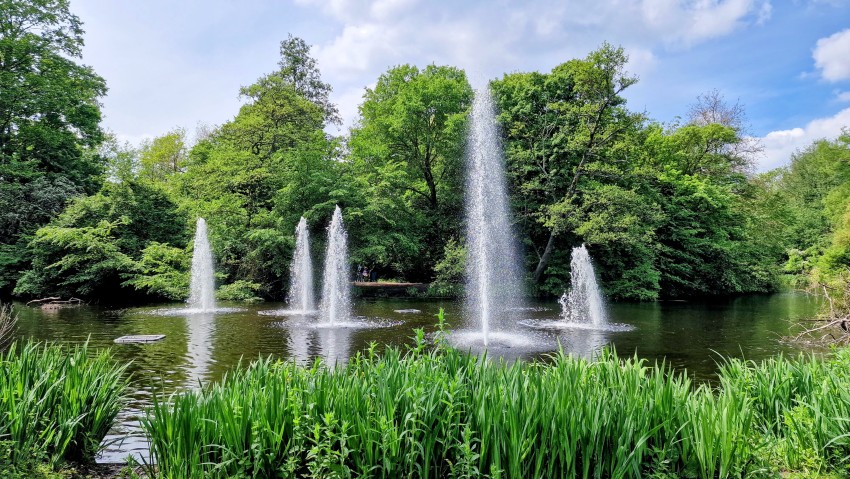
Vondelpark is Amsterdam's best-known and largest city park, an oasis of calm right in the heart of the Dutch capital. This green gem draws tourists and locals alike with its picturesque ponds with fountains, blooming rose gardens and kilometres of paths ideal for cycling or walking.
Whether you're looking for somewhere to unwind after a full day of sightseeing or want to experience the authentic Amsterdam atmosphere with a picnic on the grass, you definitely shouldn't miss Vondelpark on your trip to Amsterdam.
There are coffee and waffle stalls in plenty of spots around the park!
Stedelijk Museum
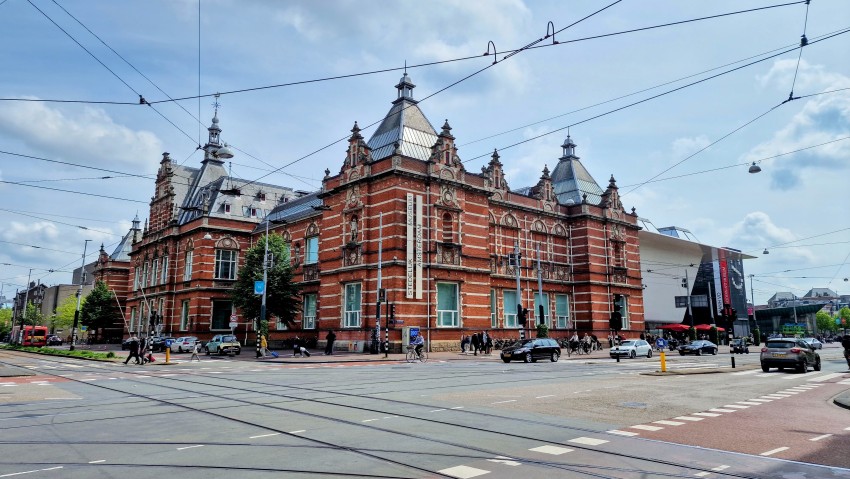
The Stedelijk Museum is an absolute must for anyone who loves modern and contemporary art and is heading to Amsterdam. This prestigious museum on the famous Museumplein has outstanding collections of design, painting and pop art, including works by masters such as Vincent van Gogh, Piet Mondrian and Andy Warhol. The building itself will catch your eye with its fascinating contrast between historic 19th-century architecture and a futuristic modern extension.
You'll find a link to the museum's website at the end of the article.
Van Gogh Museum
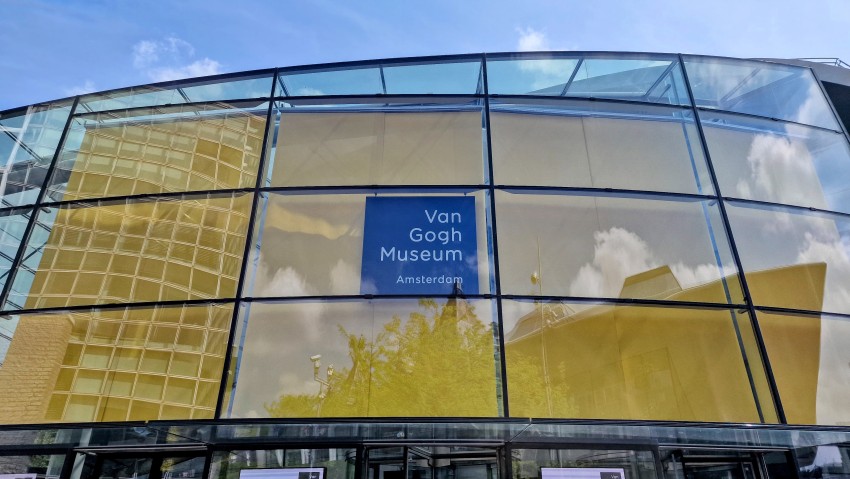
The Van Gogh Museum in Amsterdam houses the world's largest collection of paintings, drawings and letters by Vincent van Gogh. This world-famous museum on Museumplein takes you through the fascinating life and emotionally charged work of one of history's most famous painters.
Here you can see iconic masterpieces such as Sunflowers, Almond Blossom and the famous self-portraits in person. A visit to the museum is one of Amsterdam's cultural highlights, so remember to book your tickets online well in advance. The queue was really long, and I wouldn't be surprised if there were some kind of visitor limit, similar to those in Spain.
You'll find a link to the museum's website at the end of the article.
Moco Museum
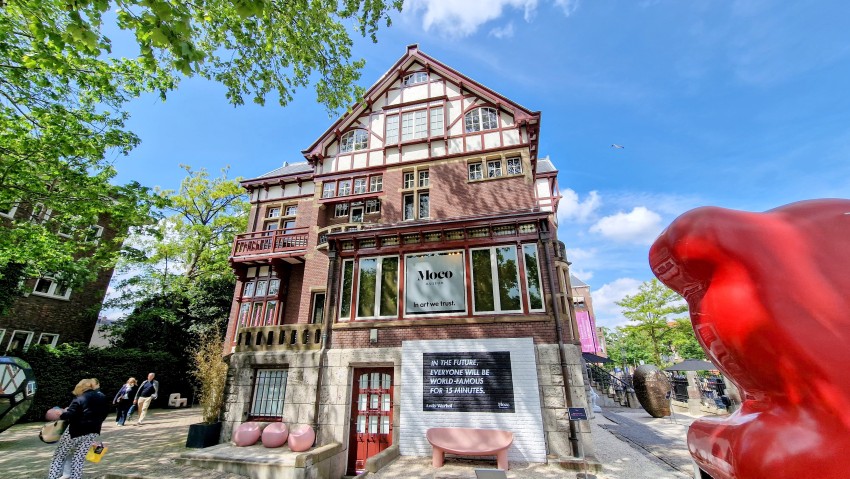
The Moco Museum (Modern Contemporary Museum) in Amsterdam is a private museum focusing on the best of modern, contemporary and street art. It occupies a charming historic villa dating from 1904, right on Museumplein. Moco offers a unique opportunity to see iconic and often provocative works by world-famous rebels of the art world, such as Banksy, Andy Warhol, Keith Haring and Jean-Michel Basquiat, in person.
With its informal atmosphere, pop art exhibitions and interactive garden full of sculptures, it's an ideal place even for those who find traditional museums boring.
You'll find a link to the museum's website at the end of the article.
Rijksmuseum (National Museum)
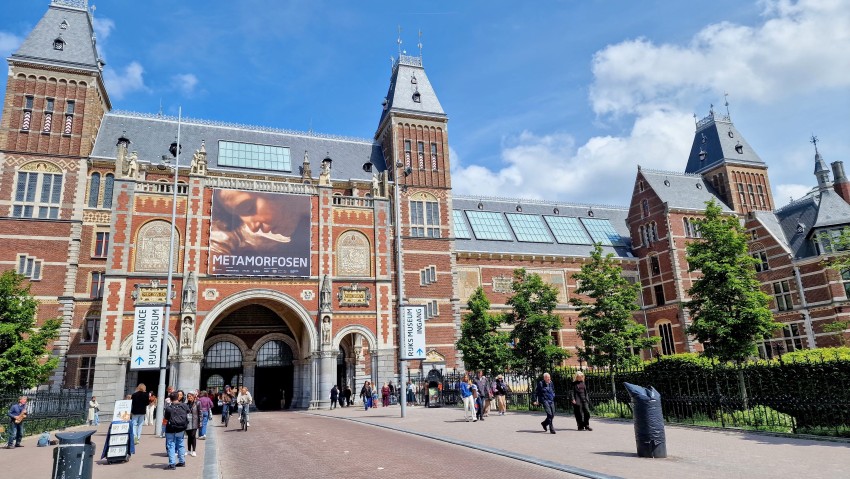
The Rijksmuseum is the Dutch national museum of art and history and one of the world's most important cultural institutions. It is housed in a 19th-century building combining Gothic Revival and Renaissance Revival styles, which dominates Museumplein.
The Rijksmuseum traces more than 800 years of Dutch history and art, with its collection of masterpieces from the Dutch Golden Age of painting as its main attraction. Here you can see Rembrandt's legendary The Night Watch, Johannes Vermeer's famous The Milkmaid and works by Frans Hals in person. Beyond the outstanding paintings, you'll also be impressed by the monumental historic Cuypers Library and extensive collections of Asian art, model ships and period artefacts, which make a visit to this museum an unforgettable experience.
You'll find a link to the museum's website at the end of the article.
Amsterdam's Flower Bikes
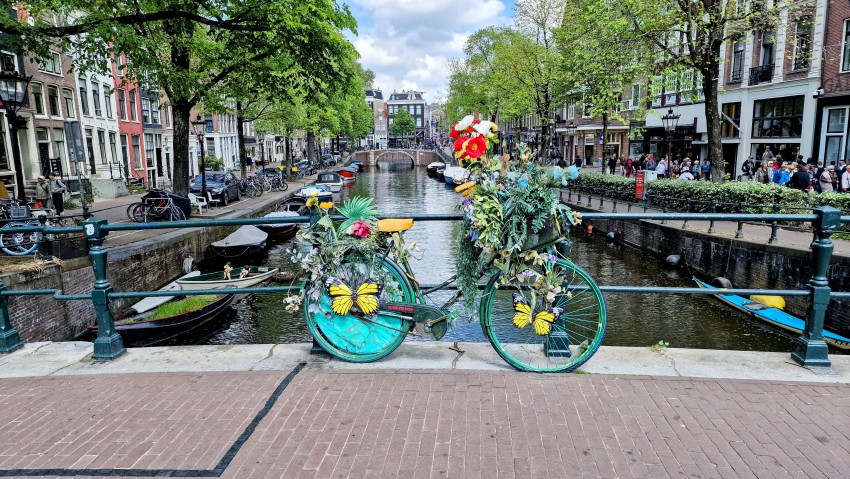
Rather than a place, this is an Amsterdam tradition. Flower bikes and historic canals symbolise the most romantic side of the Dutch capital.
These artistically decorated bikes on the railings of stone bridges create the perfect backdrop for any photographer. The lavishly adorned bicycles are the work of a local artist known as “Flower Bike Man Store” (Warren Gregory), who began placing them around the city to help his wife, who has epilepsy, find her way home. They have since become a global phenomenon.
Bloemenmarkt (Floating Flower Market)
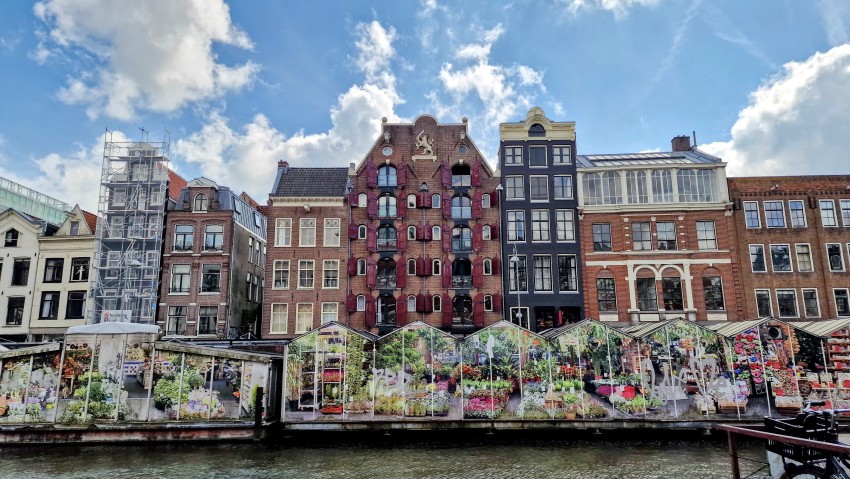
The Bloemenmarkt is one of a kind: it is the world's only floating flower market, with stalls set on houseboats moored on the Singel canal. Dating back to 1862, this market is a vibrant hub of colour and fragrance right in the city's historic centre.
It's the best place to soak up the authentic Dutch passion for flowers and shop for souvenirs.
Begijnhof Courtyard
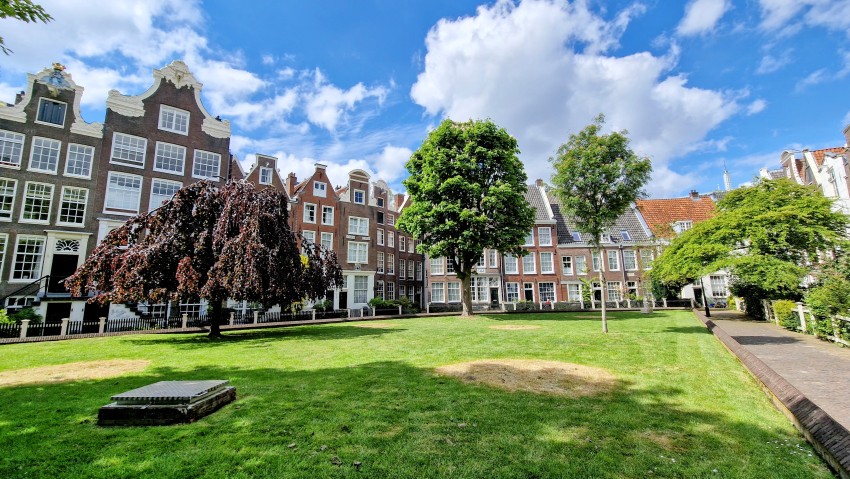
The Begijnhof is one of Amsterdam's oldest and most charming enclosed courtyards, dating back to the 14th century. This hidden historic complex, originally built for Beguines (devout unmarried women), is surrounded by typical Amsterdam houses with ornate gables, with a peaceful lawn at its centre.
The Begijnhof offers a fascinating escape from the bustle of the city: as soon as you step through the discreet entrance gate from Spui square, you find yourself in an oasis of silence and medieval atmosphere. Alongside the beautiful architecture, you'll also find Houten Huys, a 15th-century house that is one of Amsterdam's last two surviving wooden houses, and a hidden Anglican church.
Amsterdam Cheese Company
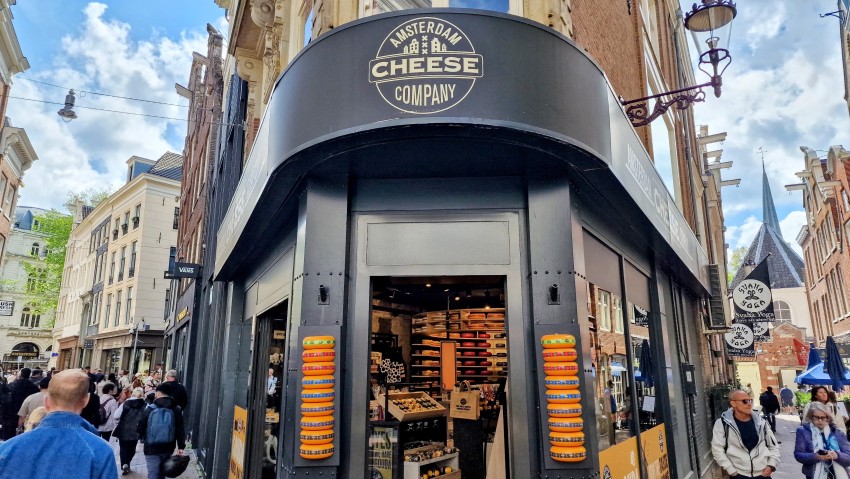
Amsterdam Cheese Company is a renowned haven for food lovers and fans of traditional Dutch cheeses. This modern shop in the heart of the capital offers a first-rate selection of the finest local products, from mild young Gouda to intensely flavoured, long-aged cheeses.
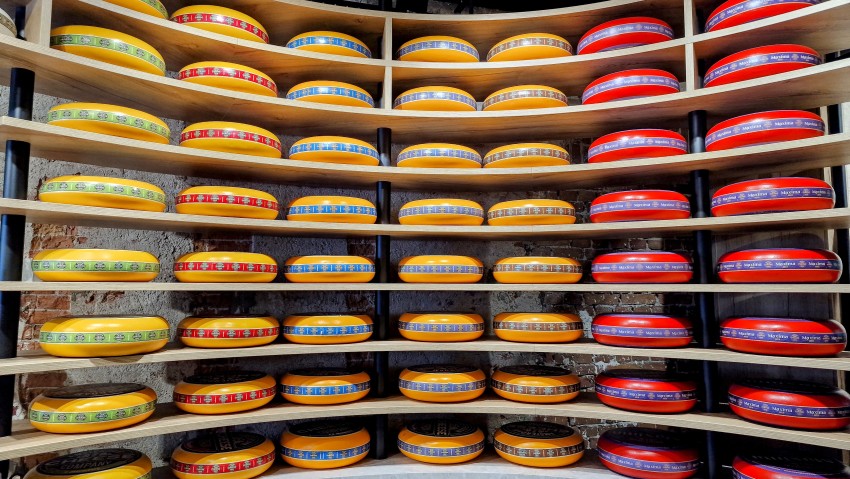
Visiting the shop is a great food experience, because you can sample most of the cheeses on display for free before buying. Who wouldn't want that!
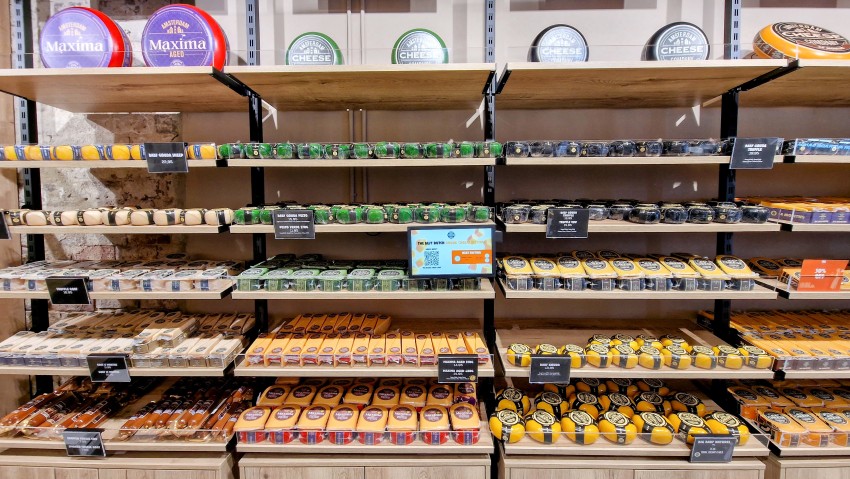
The trained staff are also happy to help you choose, recommend ideal pairings with sauces or wine, and vacuum-pack your purchases, so you can take home the best edible souvenir from Holland.
Koninklijk Paleis Amsterdam (Royal Palace)
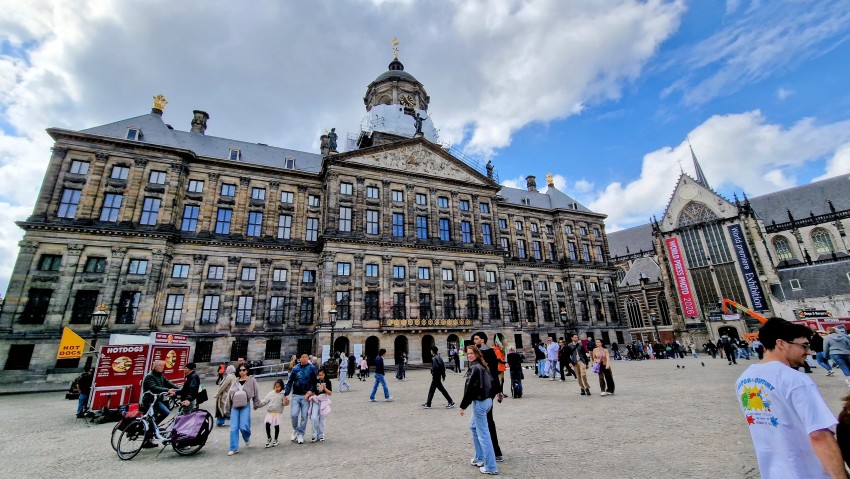
The Royal Palace of Amsterdam is one of the most important landmarks in the Netherlands. Originally built in the 17th century as a grand city hall and a symbol of the city's global power at the time, it now serves the Dutch royal family for official functions. Why visit? The palace will impress you with its monumental neoclassical interior.
Inside, you can admire the Citizens' Hall, with maps of the world carved into its marble floor, masterpieces of Dutch Golden Age painting and an extensive collection of historic furniture. The Nieuwe Kerk stands right next door, so a visit here brings together a perfect concentration of Dutch history, architecture and art in a single square.
Magna Plaza Shopping Centre
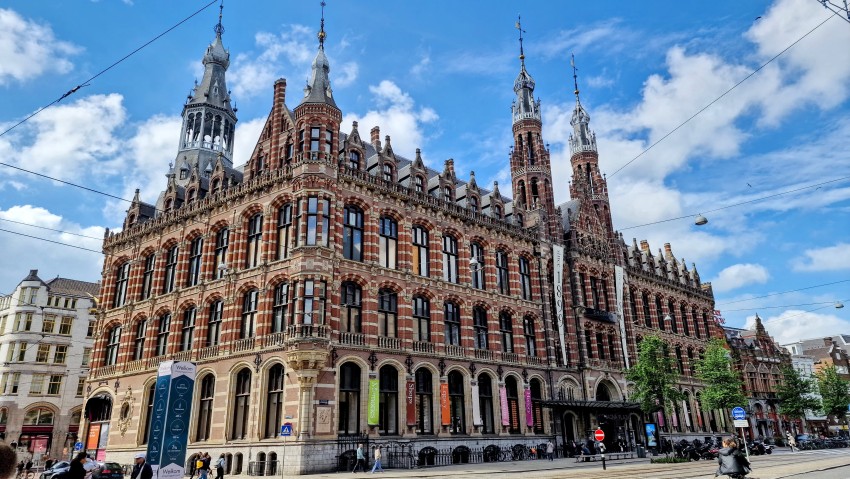
Magna Plaza is a luxury shopping centre in the very heart of Amsterdam, housed in one of the city's most beautiful historic buildings. The former main post office, dating from the late 19th century, now brings together premium fashion brands, design shops and dining experiences.
Even if you're not planning to shop, the building will probably captivate you with its architecture, dominated by tall towers, an ornate brick façade and a monumental interior atrium with arched arcades and a glass roof. It's the perfect place to combine a break over great coffee or a meal in the Food Department food hall with admiring an architectural gem listed as a Dutch heritage monument.
Anne Frank House
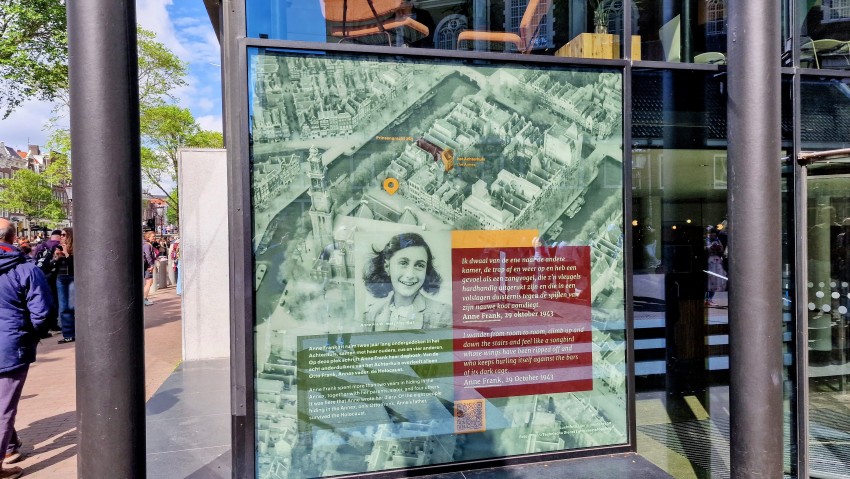
The Anne Frank House is one of the most moving and most visited historic sites in the Netherlands. It was in the rear part of this house on the Prinsengracht canal that the young Jewish girl Anne Frank hid with her family from Nazi persecution during the Second World War and wrote her famous diary.
A visit to this house offers a profound and powerful insight into a dark chapter of human history. You can explore the hidden space behind the movable bookcase, walk through the rooms where the family lived and see the original notebooks in Anne's handwriting.
You'll find a link to the website at the end of the article.
Oudezijds Voorburgwal
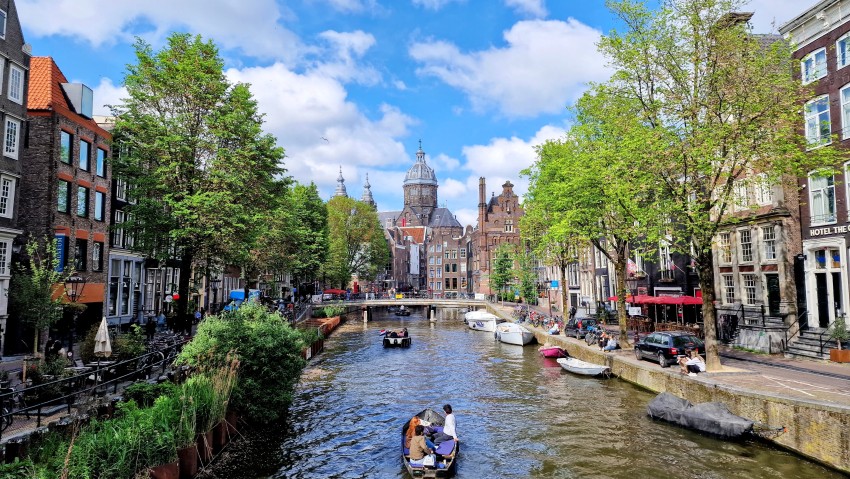
The Oudezijds Voorburgwal canal and the Basilica of Saint Nicholas form one of the most beautiful and photogenic scenes in Amsterdam. This historic waterway, dating from the 14th century, is lined with typical narrow townhouses, lively cafés and moored boats that add to the city's unmistakable character.
A walk along this canal is a perfect illustration of how Amsterdam blends its rich history with vibrant modern life. The stone bridges here provide ideal vantage points for watching sightseeing boats pass by, while the majestic Renaissance Revival Basilica of Saint Nicholas, standing watch over the city skyline, will charm you with its grand architecture and peaceful interior, offering a welcome break from the bustle of the surrounding streets.
Oude Kerk (Old Church)
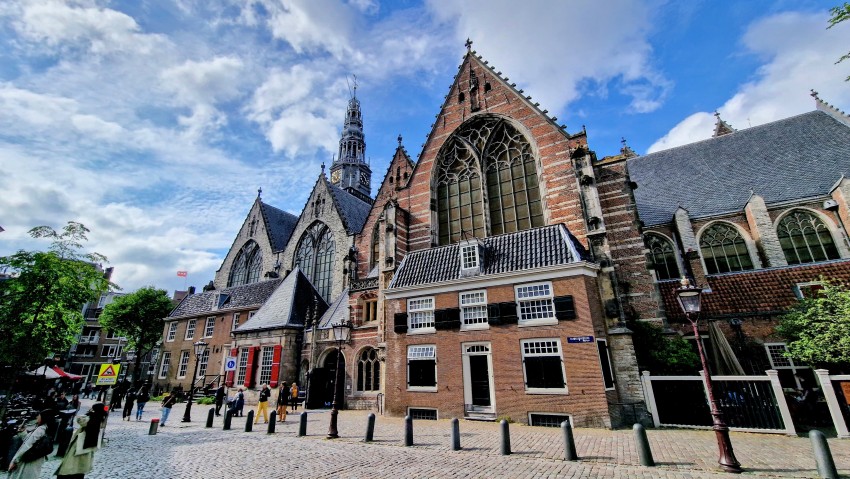
The Oude Kerk is a historic gem and Amsterdam's oldest building, with foundations dating back to the 13th century. This Gothic church creates a truly unique contrast, surrounded as it is by the busy streets of the Red Light District.
Inside, you'll be struck by the vast space, with its breathtaking 14th-century wooden vaulted ceiling and monumental historic organ. The church is also the final resting place of many important figures in Dutch history, including Rembrandt's wife, Saskia van Uylenburgh. Today, the building operates as a modern cultural institution, blending its historic heritage with bold contemporary art exhibitions, making it one of Europe's most original religious landmarks.
Red Light District (De Wallen)
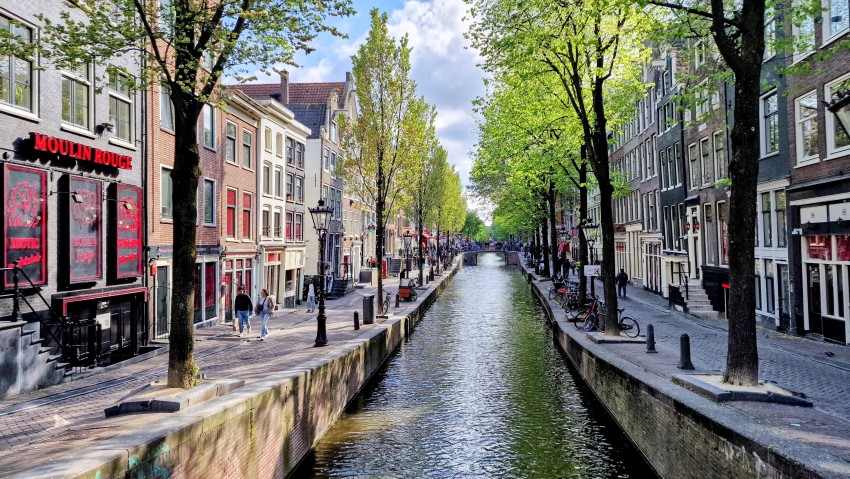
Amsterdam's Red Light District (De Wallen) is one of the oldest, most controversial and most visited urban neighbourhoods in the world. After dark, its historic network of canals, lined with typical narrow 14th-century houses, transforms into a sea of red neon lights.
A visit to this area offers a glimpse of Amsterdam's unique approach to liberal culture and openness. Beyond its distinctive nightlife and erotic theatres, however, you'll also discover the stunning architecture of old Amsterdam, picturesque stone bridges, stylish cafés and hidden historic corners that feel incredibly peaceful and romantic during the day.
I have to say that the street left me a little "disappointed" this time. When I was here almost 8 years ago, listening to the guide, some guy came up beside our group and stepped into one of those curved sheet-metal structures that serve as urinals. He came out, wiped his hands on his jacket, smoothed down what was left of his hair, smiled and went in to see the young woman in the window. Lovely stuff. I didn't see anything like that this time, so I get the feeling things have probably calmed down a bit here.
Damrak Canal
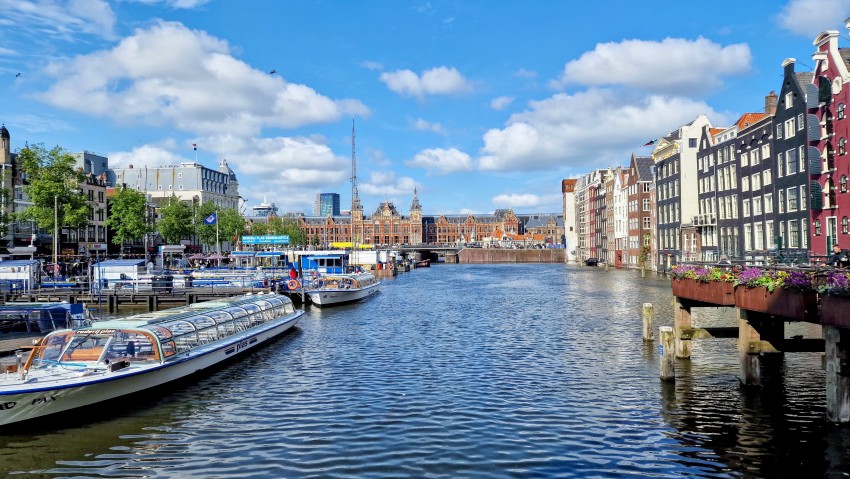
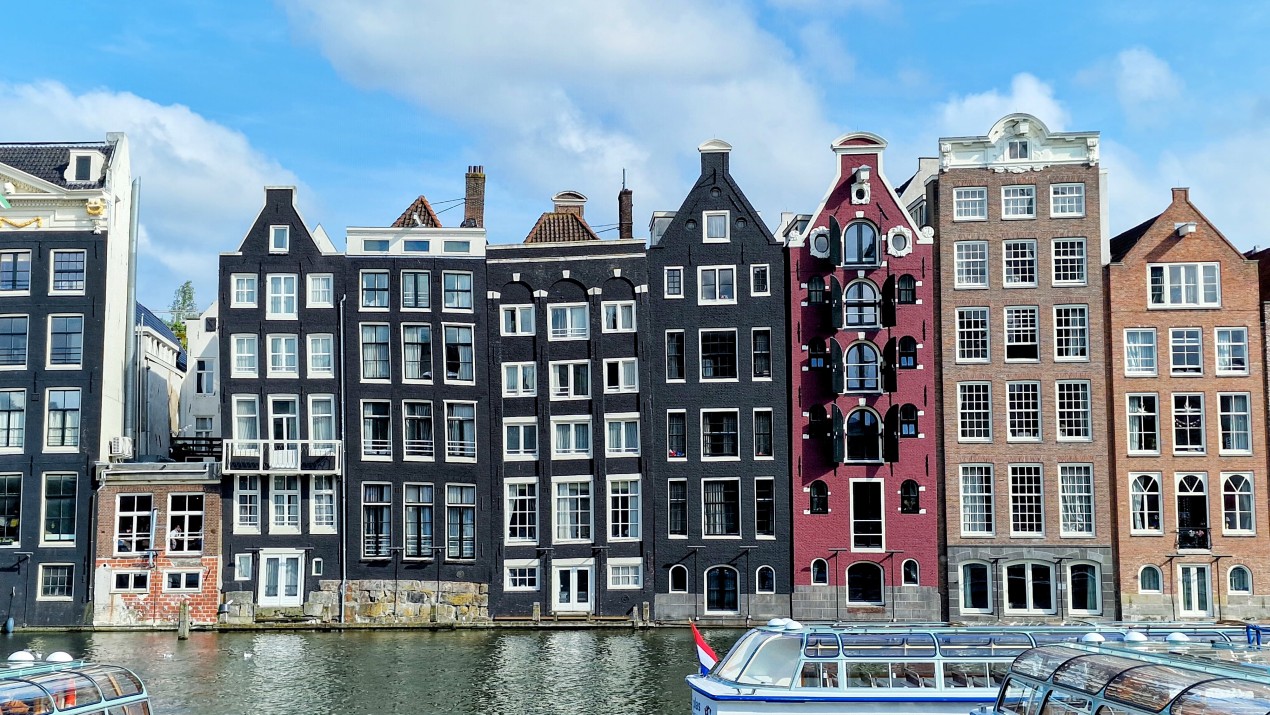
Damrak is a bustling canal and main boulevard connecting Centraal Station with Dam Square. The area serves as a gateway to Amsterdam and is home to one of the most photographed sights in the Netherlands: the iconic, slightly leaning historic houses on the waterfront.
Damrak offers a perfect first impression of the city and an ideal starting point for exploring. The most popular sightseeing cruises along Amsterdam's canals depart from here, letting you experience the city from the water. The view of picturesque, colourful façades reflected in the water is also an absolute must for anyone chasing the perfect travel photograph.
Boat cruises are available on GetYourGuide. I definitely recommend booking one and enjoying the ride.
Nationaal Monument (National Monument)
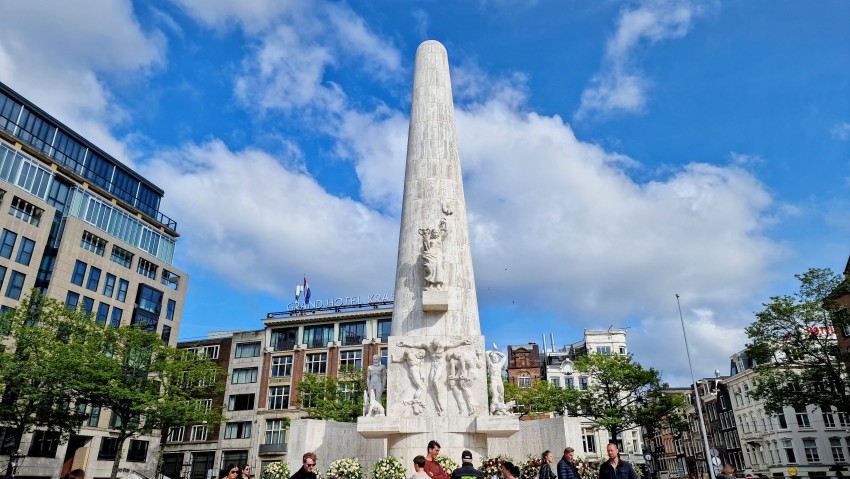
The National Monument is the Netherlands' most important memorial to the victims of the Second World War and other armed conflicts. This 22-metre-high white travertine obelisk, designed by architect J. J. P. Oud with sculptures by John Raedecker, was officially unveiled in 1956.
The monument is a profound symbol of Dutch freedom and peace, and the main national remembrance ceremony takes place here every year on 4 May, attended by the royal family. Each sculpture on the obelisk carries powerful symbolism, from chained men representing suffering under occupation to a woman with a child symbolising a new beginning and doves in flight as messengers of freedom. Embedded in the rear of the monument are 12 urns containing soil from the Dutch provinces and the former Dutch East Indies.
Microbreweries
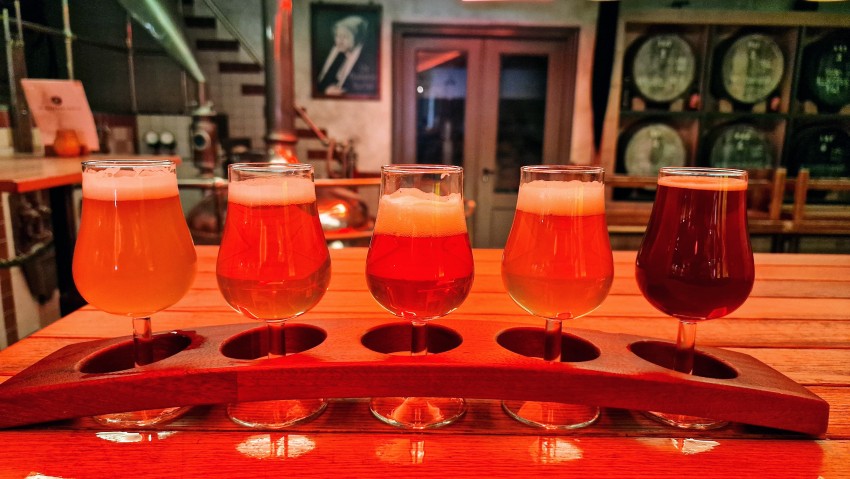
I went for a beer at the local brewery De Bekeerde Suster. But Amsterdam has plenty of breweries, so I've listed a few for you here:
- Van Gogh Museum: https://www.vangoghmuseum.nl/en
- Moco Museum: https://www.mocomuseum.com/amsterdam
- Anne Frank House: https://www.annefrank.org/en/
- Rijksmuseum: https://www.rijksmuseum.nl/en
- Stedelijk Museum: https://www.stedelijk.nl/nl


