 Travellingvisio.com
Chichén Itzá – Pyramids, Historic Sites, Tickets & Parking Guide
 Mexico
Discover Chichén Itzá — where to buy tickets, how to join a tour from your hotel, where to park, and what to see. Tips and tricks for a comfortable visit to the Mayan ruins.
 New: Follow me on WhatsApp channel 🤟
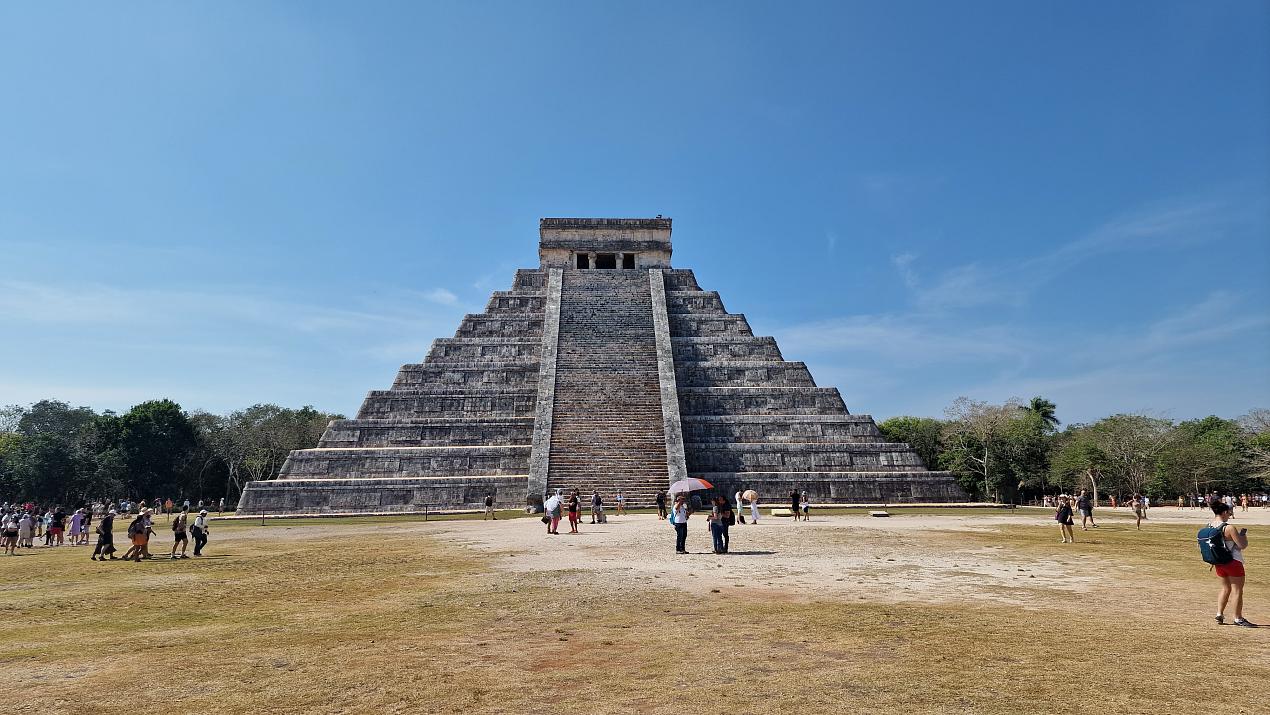
Visiting Chichén Itzá was truly an experience. A vast, well-laid-out site, lots of fascinating historic monuments and, in the middle of it all, a huge pyramid.
About 4 hours is enough for a visit if you don't plan to wander and linger at every spot. I recommend bringing a head covering (cap, scarf, hat—anything), water if possible, and comfortable walking shoes. There isn't much shade at Chichén Itzá, drinks are overpriced, and the ground isn't suitable for high heels or flip-flops.
I also recommend starting early in the morning. There are fewer tourists, you have a chance to enjoy the monuments, take nicer photos and, again, it isn't as hot then.
Parking and entrance
The entrance is marked on the map below.
Tickets can be purchased in advance on the official website https://www.chichenitza.com/tickets.
If you're looking for parking, there's a lot right on the grounds at the entrance to Chichén Itzá. Parking is paid.
Where to buy a tour?
Are you staying at a hotel and want to visit Chichén Itzá without the hassle?
You can buy a tour, for example, on GetYourGuide.com. Some tours are combined with snorkeling and visits to other sites like Cenote Maya. I definitely recommend browsing the options.
If you don't find what you want there, you can check https://www.chichenitza.com.
On both sites you choose the day, number of people and the hotel you're leaving from. So you don't need your own transport.
El Castillo Pyramid
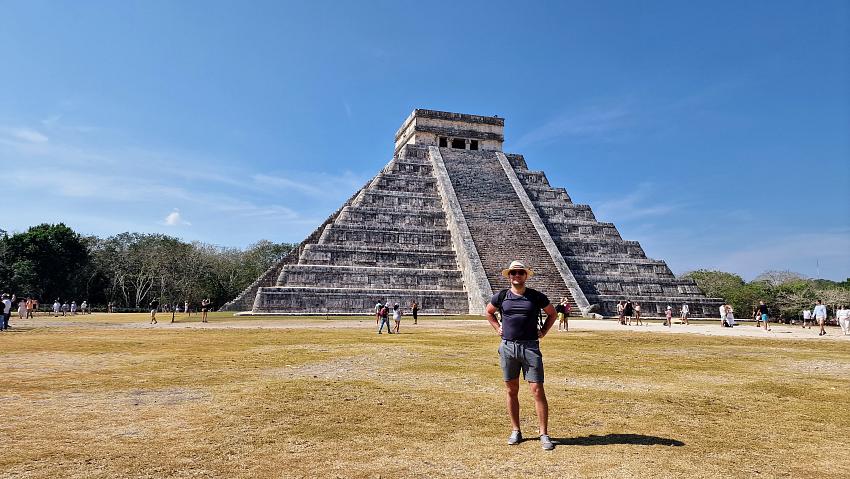
El Castillo, also known as the Temple of Kukulcán, is the iconic stepped pyramid built by the Maya between the 9th and 12th centuries. It served as a temple to the feathered serpent Kukulcán, and its architecture is a masterful display of Maya astronomical knowledge — during the spring and autumn equinoxes light and shadow create the illusion of a serpent descending the staircase. The total number of steps (365) symbolically corresponds to the days of the year, underlining its role as a cosmic calendar.
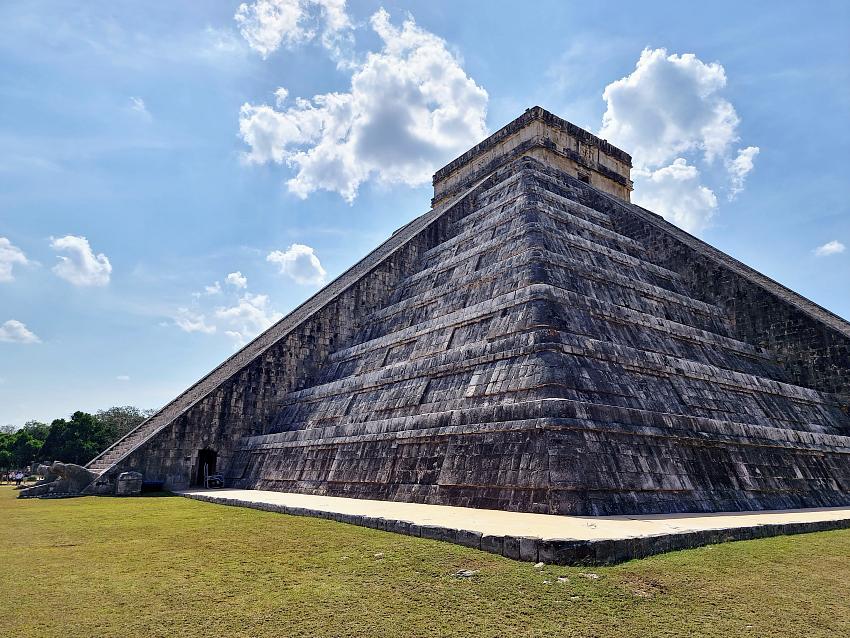
I'm no historian, but I was struck by the shape, colors and the way the pyramid is built. The pyramid stands in the middle of the complex on the Plaza Principal.
I visited in March, and if you want nice photos when there are no tourists at the pyramid, I recommend waiting somewhere in the shade. The plaza gets really hot and the sun literally beats down from all sides.
Gran Juego de Pelota (Ball Court)
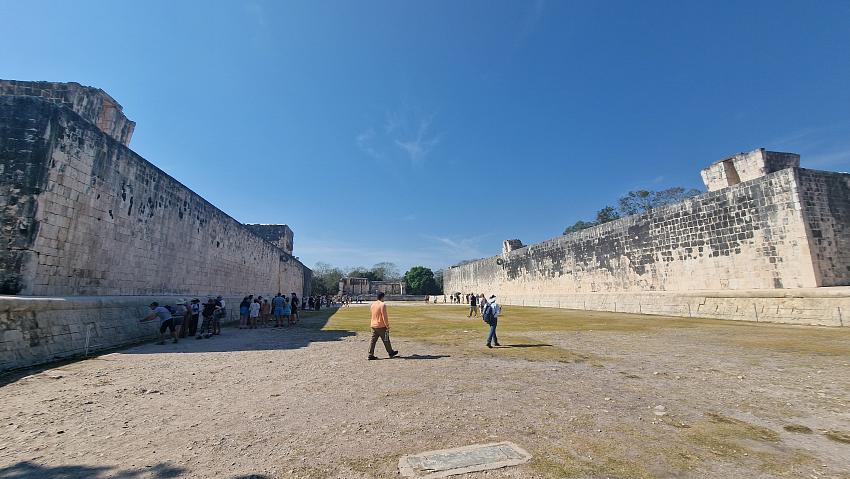
The Gran Juego de Pelota at Chichén Itzá is the largest known Maya ball court for the game pok ta pok, built around the 9th–12th centuries. It is nearly 170 meters long and its high stone walls bear reliefs depicting mythological and ritual aspects of the game, which had religious significance and symbolized the cosmic struggle between light and darkness. The court was likely the site of important ceremonies and political gatherings, reflecting Chichén Itzá's power and prestige as a regional center.
The Sacred Cenote
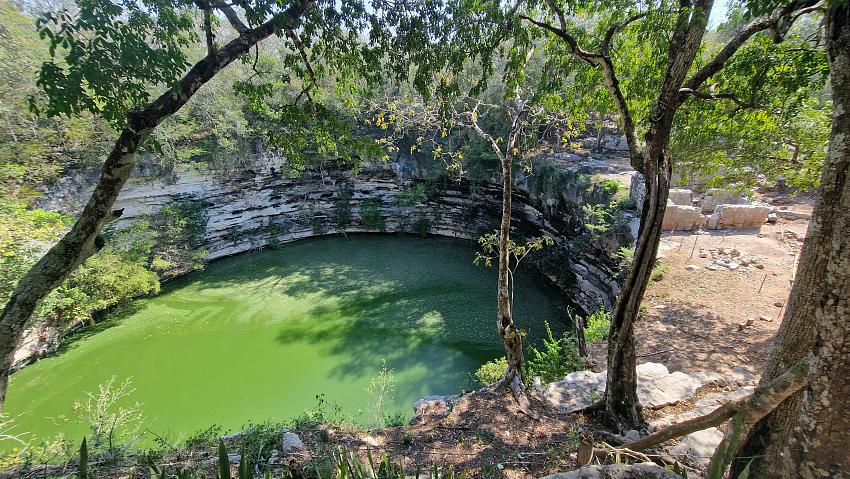
The Sacred Cenote, a sacred sinkhole in the northern part of Chichén Itzá, was an important ritual site for the ancient Maya dedicated to the rain god Chaac. From the 9th–12th centuries pilgrims brought offerings here — from valuable items made of jade, gold and ceramics to human sacrifices, as archaeological research at the cenote's bottom has shown. The sinkhole was associated with the belief that it was an entrance to the underworld, and its ritual importance reflects the crucial role of water in Maya life in the otherwise dry Yucatán Peninsula.
Temple of the Warriors (Templo de los Guerreros)
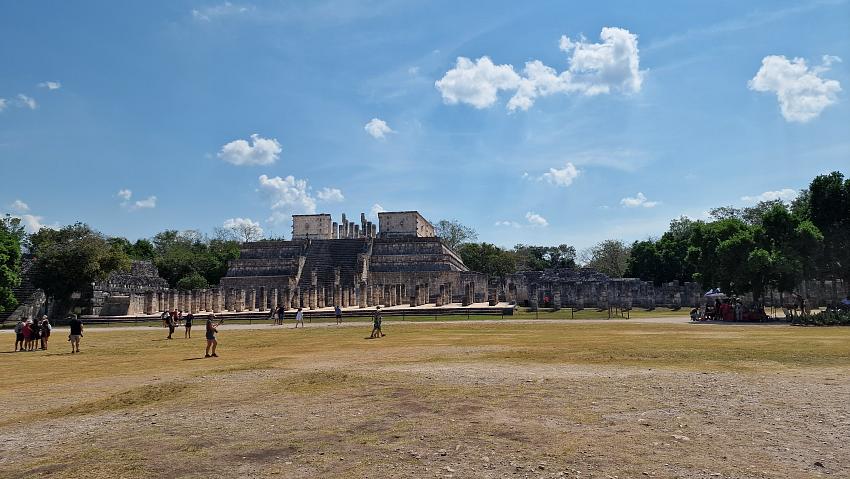
Temple of the Warriors (Templo de los Guerreros) is an extensive temple complex from the 10th–12th centuries that points to the militarization and growing power of the elite in Chichén Itzá's later development. Its main pyramid is surrounded by rows of columns known as the Group of a Thousand Columns, which likely supported the roof of a large hall. At the top of the temple stands a Chac Mool statue intended for offerings. The architectural elements show strong Toltec influences, suggesting contacts or cultural links between Chichén Itzá and central Mexico.
Temple of the Jaguars
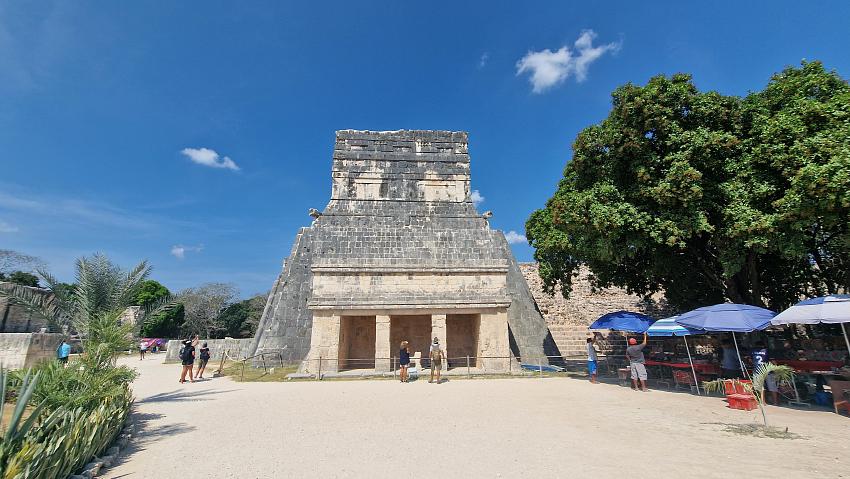
The Temple of the Jaguars at Chichén Itzá is a smaller pyramid adjoining the Gran Juego de Pelota, known for its impressive reliefs of jaguars and warriors. It likely served ritual purposes connected with the ball game and religious ceremonies, with the jaguar symbolizing strength, protection and the connection to the underworld in Maya mythology.
Plaza Principal (Main Plaza)
Plaza Principal is the central open area of Chichén Itzá around which the city's most important buildings are concentrated, including the El Castillo pyramid, the Temple of the Warriors and the Gran Juego de Pelota. It served as a political, religious and social center where ceremonies, ritual sacrifices, theatrical performances and games took place. Its size allowed thousands of inhabitants and pilgrims to watch important events, reflecting the strength and organization of Maya urban society. The plaza is a key element of Chichén Itzá's urban layout and symbolizes the connection between the religious and public spheres of Maya life.
The Market
The market is located between the Plaza Principal and the Sacred Cenote. It's not a historical site. Vendors sell various goods to tourists. I mention it because they may try a trick with “Mayan dollars.” They'll claim the item you want costs one dollar, then say it's a Mayan dollar—only to tell you it's 2 or more US dollars. Be prepared to haggle 😀.
Other places to visit
There are many other monuments at Chichén Itzá that I don't even have photos of. It seemed unnecessary. It's better to find them on the map and visit in person than to try to capture them by photo:
-
Gran Juego de Pelota – the largest court for the ritual ball game pok ta pok with religious reliefs.
-
Observatory (El Caracol) – a round tower used as an astronomical observatory to track the movements of the sun and planets.
-
Group of a Thousand Columns – an extensive colonnade that may have formed covered corridors or halls for ceremonies.
-
Osario (Ossuary Temple) – a smaller pyramid richly decorated with reliefs and symbolism of death and the underworld.
Official Chichén Itzá website https://www.chichenitza.com.


