Travellingvisio.com
Edinburgh Castle: History, Museums, Views, and the Crown Jewels of Scotland
 Scotland
Discover Edinburgh Castle – the iconic Scottish fortress with a royal history, stunning views, and the crown jewels at the heart of the capital city.
 New: Follow me on WhatsApp channel 🤟
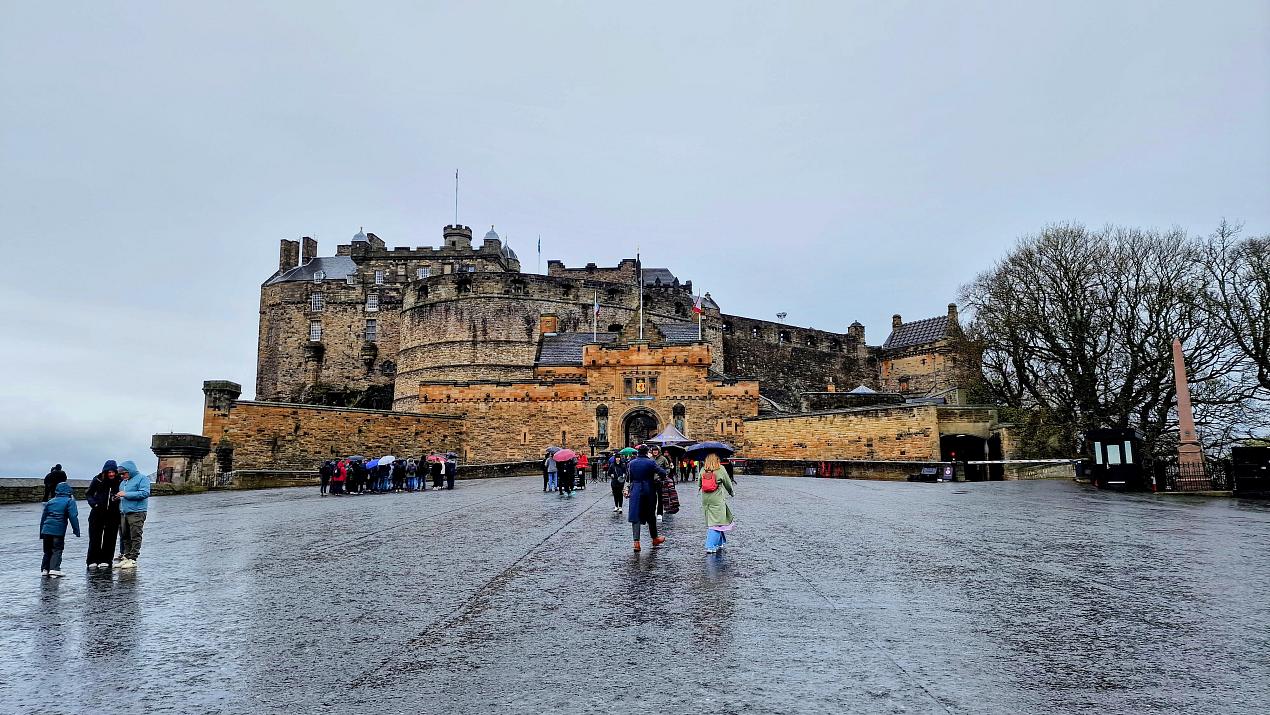
Edinburgh Castle is one of Scotland’s most significant historical landmarks, dominating the skyline of the capital from the elevated rock known as Castle Rock. Its history dates back to the 12th century, and for centuries it has served as a royal residence, military fortress, and state prison. Today, it attracts millions of visitors each year who admire not only the crown jewels and the Stone of Destiny but also the stunning views of the city and surrounding landscape. The castle is a symbol of Scottish identity and pride, and at the same time, a fascinating place where the stories of the past come to life.
Visitor Information
I recommend starting your visit to the castle as early as possible in the morning, when the grounds are still quiet, so you can avoid the afternoon crowds and long waits in lines.
The ideal route is to explore the castle from top to bottom — begin at the Royal Palace and the Crown Jewels on the highest courtyard, then continue to the museums in the upper palace and the prison with the barracks. This way, you’ll save a lot of time that you would otherwise spend waiting in queues.
It’s also important to note that photography is not allowed everywhere. For example, photos are prohibited near the Crown Jewels.
I suggest setting aside at least 3 to 4 hours for your visit. Otherwise, you might end up rushing and not fully enjoying the experience.
Inside the castle, besides the historical sites, there are several cafés and shops. However, prices are relatively high, so I recommend eating before or after your visit somewhere in the city, away from the busiest tourist streets.
Tickets can be purchased online on the official castle website: Edinburghcastle.scot.
Upper Courtyard
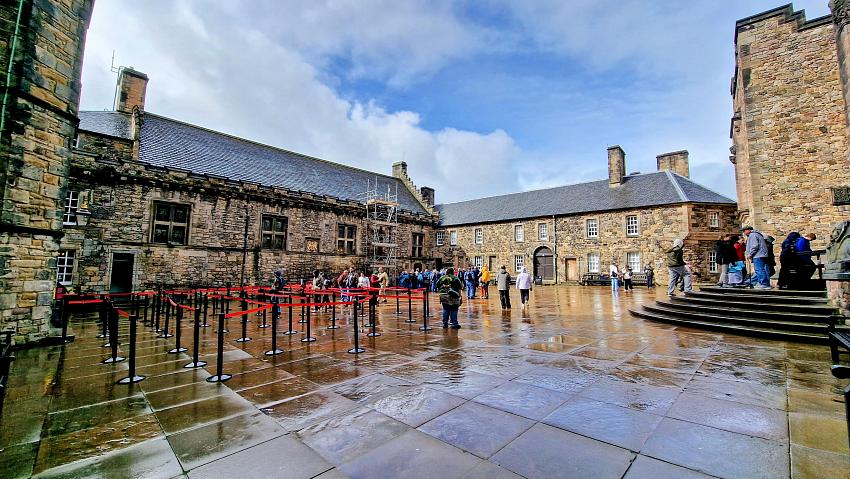
In the Upper Courtyard, you can find several museums and a prison.
The National War Museum of Scotland: This museum showcases over 400 years of Scottish military history through exhibits such as uniforms, weapons, medals, and personal letters from soldiers. It is located in a former 18th-century ammunition storehouse.
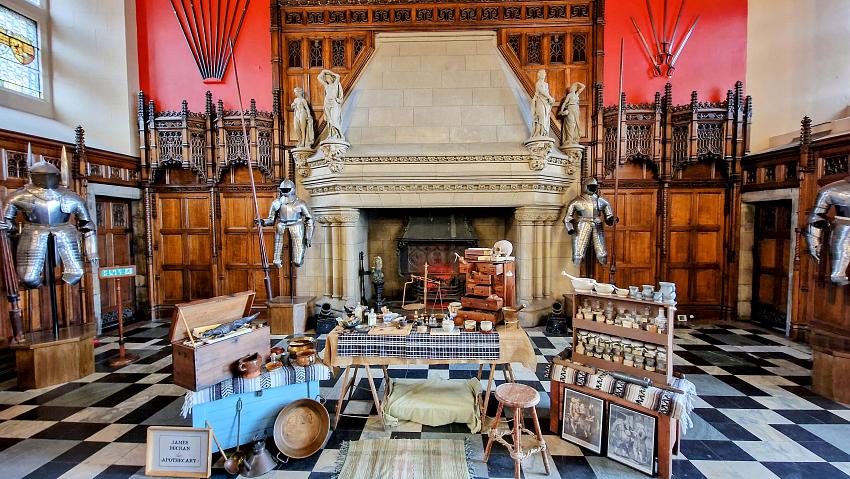
The Royal Scots Museum and The Royal Regiment of Scotland Museum: These two museums, located opposite each other within the castle grounds, document the history of Scotland’s oldest and current regiments. Visitors can find uniforms, weapons, battle flags, and other artifacts that illustrate the rich military tradition of these units.
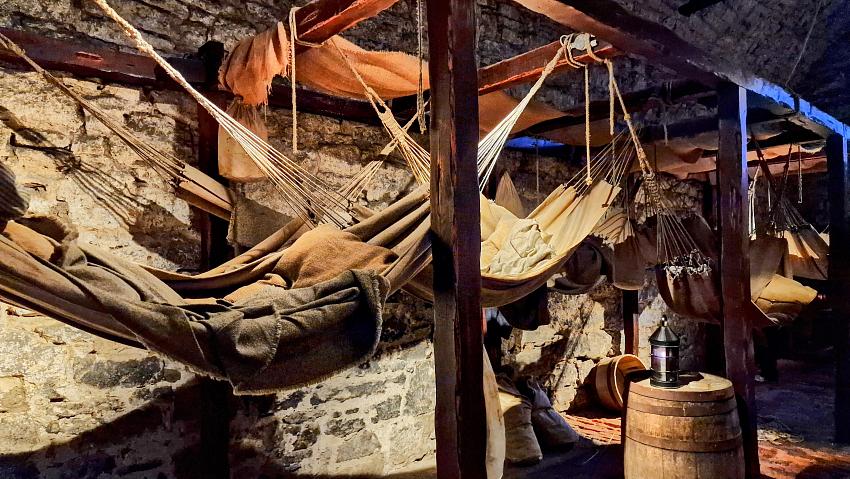
Prison and Barracks: The prison in Edinburgh Castle, known as the Prison of War, is located in the underground chambers beneath the castle barracks and offers a fascinating glimpse into a darker chapter of the castle’s history. In the 18th and 19th centuries, war prisoners from various conflicts—including the American War of Independence, the Napoleonic Wars, and the Seven Years' War—were held here.
Mons Meg
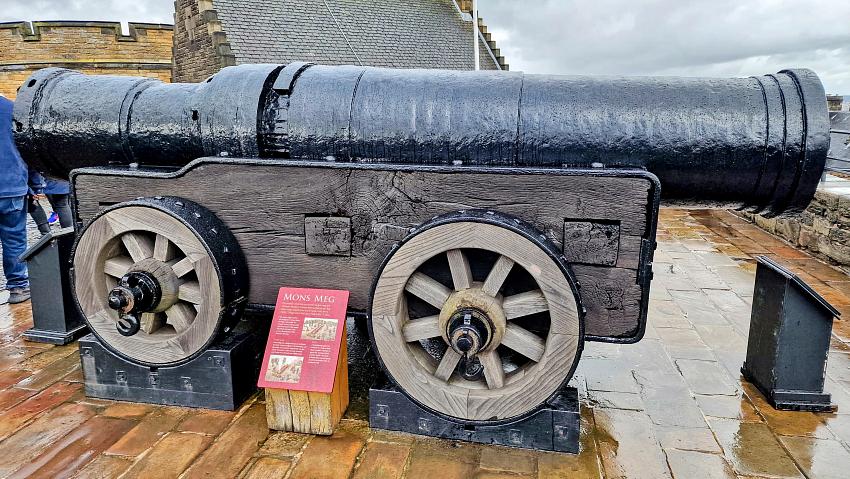
Mons Meg is one of the most impressive historical cannons in the world. This enormous medieval bombard was made in 1449 in Flanders and gifted to the Scottish King James II in 1457. Mons Meg was designed for besieging castles and could fire stone cannonballs weighing over 150 kilograms across distances of more than 3 kilometers.
Due to its size—it weighs over 6 tons—it became a symbol of military power and royal authority. Although it was retired from active service in the 16th century, it remains an iconic exhibit of the castle and a popular attraction for visitors who can get up close to admire the technical skills of the armorers of that era. Today, Mons Meg stands on the castle walls, reminding visitors of Scotland’s famous and sometimes turbulent military history.
You can find Mons Meg displayed right next to the Upper Courtyard.
Views from the Castle
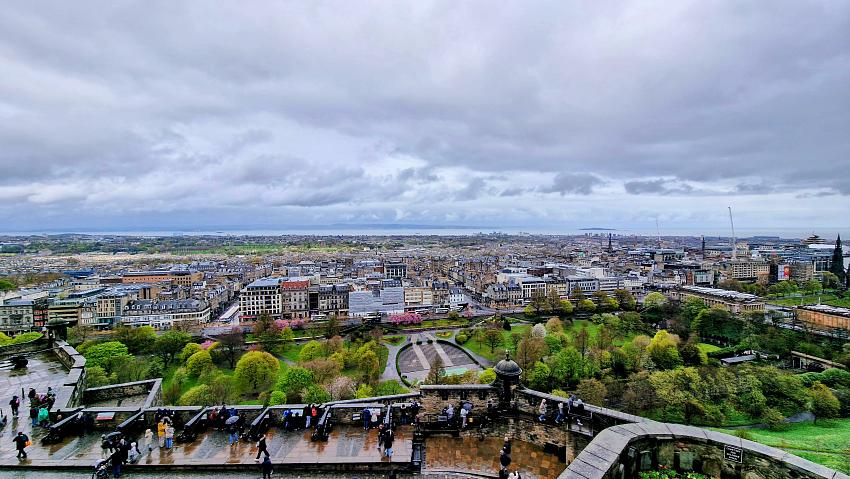
The castle offers truly beautiful views of the surrounding area. For example, you can see the city, Arthur’s Seat, the harbor, and other landmarks such as the National Monument of Scotland.